What I Learned the Hard Way about Hydrangeas
My Hydrangeas Taught Me Not to Believe Everything I Read
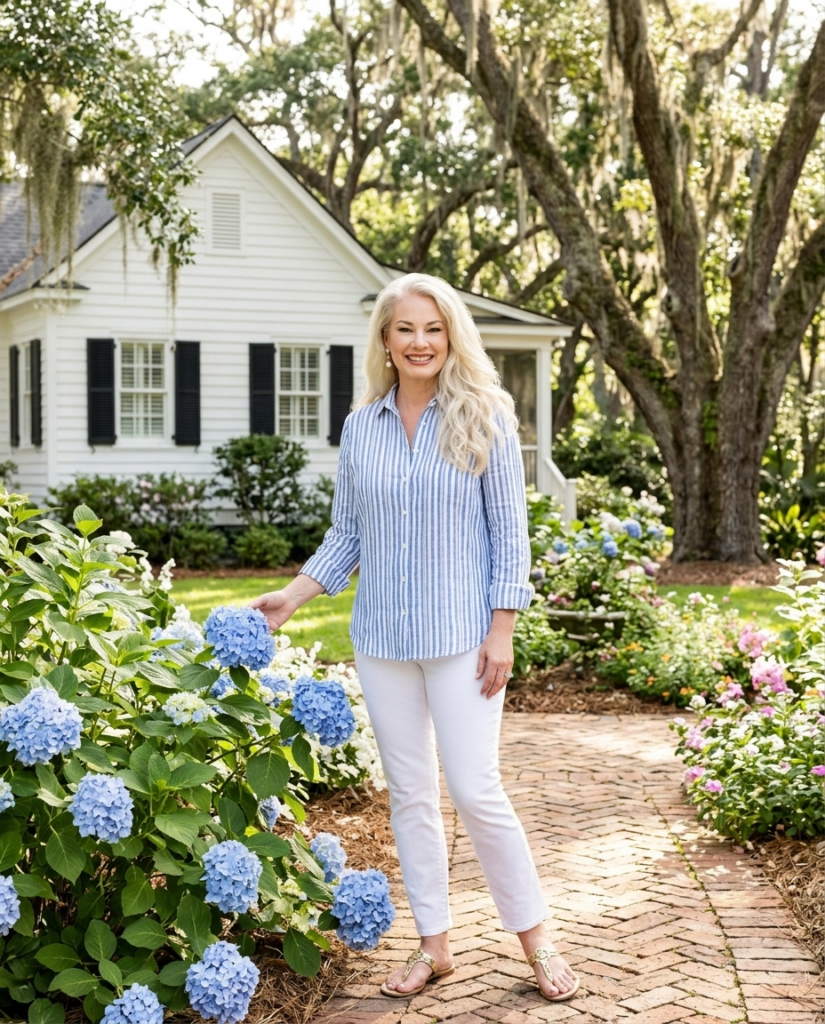
“Every gardening book seemed to say the same thing: Hydrangeas need full sun.”
“So I believed them.”
“I spent hundreds of dollars on beautiful hydrangeas. I dug the holes, hauled bags of mulch, watered them through scorching South Georgia summers, and prayed they would survive.”
“One by one, they didn’t.”
The Lesson
If you live in Maine…
Or Connecticut…
Or even parts of North Carolina…
Full sun may be exactly what your hydrangeas need.
But South Georgia isn’t Connecticut.
By July, my backyard felt like an oven.
Afternoon temperatures climbed into the 100s, the humidity was relentless, and that beautiful “full sun” everyone recommended became too much for my plants.
I believe the hydrangeas I purchased were Endless Summer® hydrangeas. They’re known for blooming repeatedly throughout the growing season—which mine certainly have. The lesson I learned wasn’t that the plants were bad. It was that “full sun” doesn’t necessarily mean “full South Georgia afternoon sun.”
These are the ones I purchased here:

Gardening Advice Isn’t One-Size-Fits-All
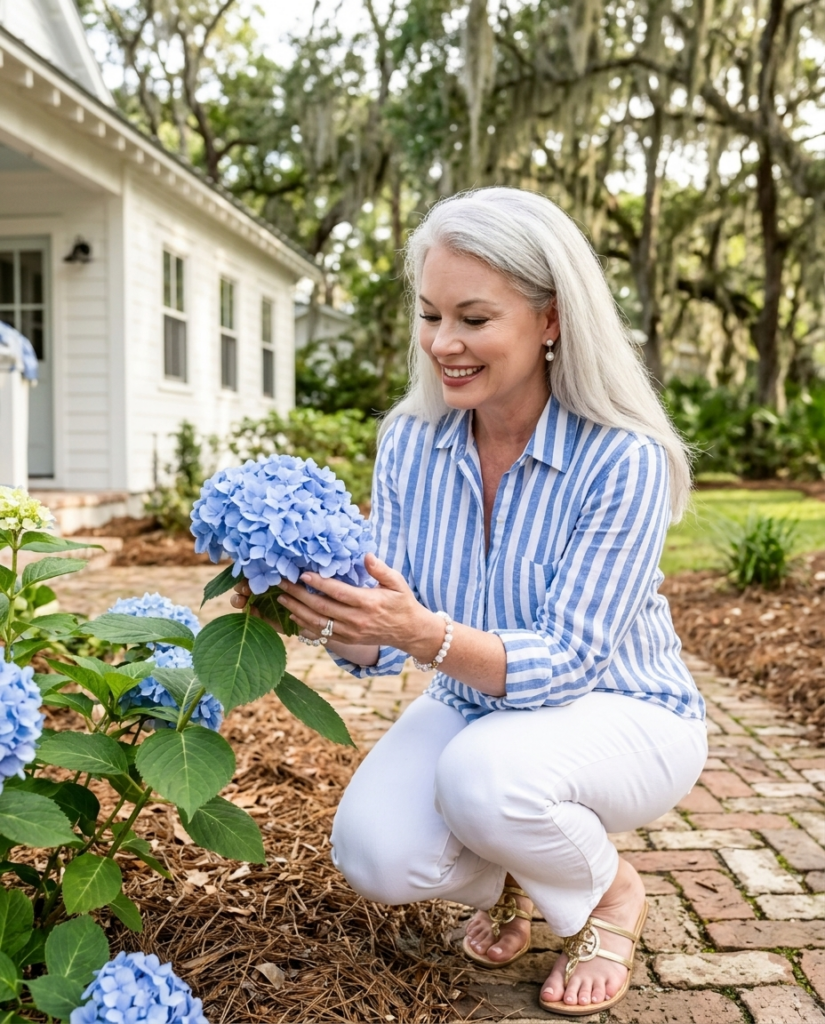
For context, I garden along the Georgia coast in South Georgia, where summer temperatures regularly climb into the 100s and the humidity can make even the toughest plants struggle. That’s important because gardening advice isn’t always one-size-fits-all. A plant that thrives in full sun in a cooler climate may need a little protection from the intense afternoon sun here.
What Happened
I lost almost every hydrangea I planted.
Not because I didn’t water them.
Not because I bought poor-quality plants.
Not because I didn’t care.
I did everything I was told to do.
Except one thing.
I forgot to ask whether that advice applied to my climate. I’m in region 9A, and although these said they would thrive in my climate, THEY DIDN’T.
The Plant Tag Wasn’t Wrong… But It Wasn’t the Whole Story
When I bought my hydrangeas at Lowe’s, the plant tag clearly stated “Full Sun.” Naturally, I assumed that meant they would thrive in my yard. After all, if they’re being sold here in South Georgia, why wouldn’t they?
I believe mine were Endless Summer® hydrangeas, which are known for blooming repeatedly throughout the growing season—and mine certainly have. The lesson I learned wasn’t that the plants were bad. It was that “full sun” doesn’t always mean “full South Georgia afternoon sun.”
The Two That Changed Everything
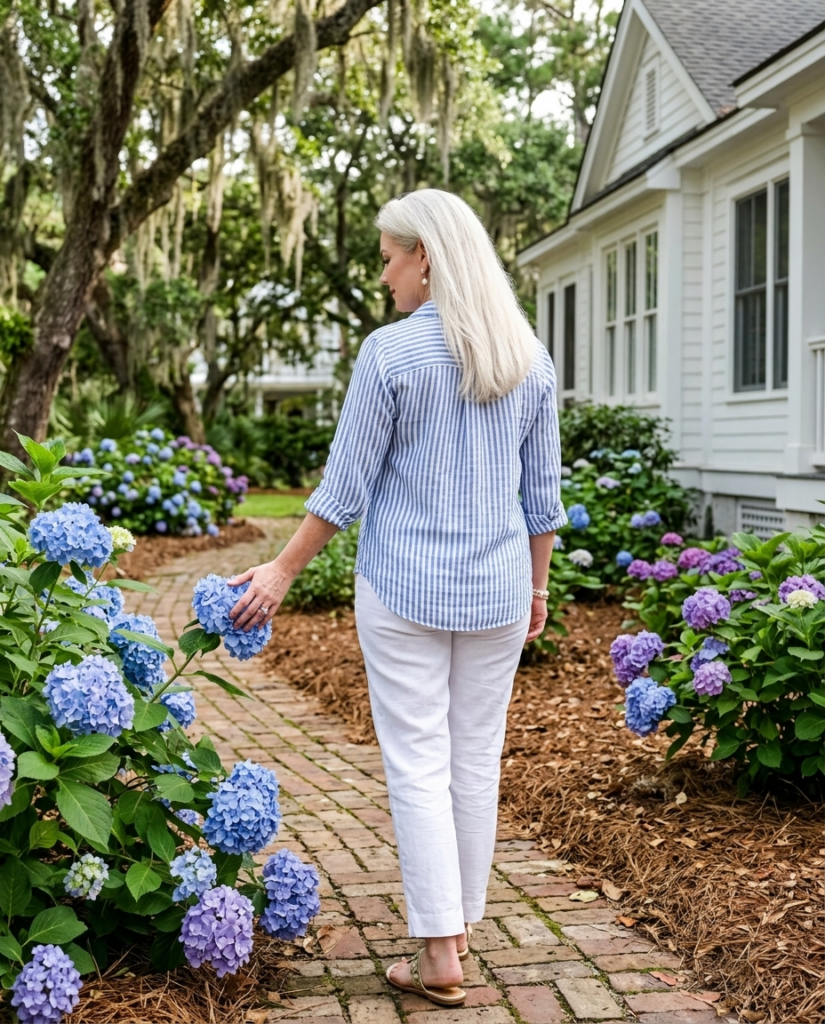
Ironically, the only hydrangeas that survived were the ones planted in partial shade in my backyard. They still receive plenty of morning light, but they’re protected from the intense afternoon sun.
Those two plants completely changed the way I garden. Instead of struggling through the summer, they’ve continued blooming for months. Sometimes the difference between surviving and thriving isn’t buying a different plant—it’s simply putting the right plant in the right place.
What I’d Do Differently Today
If I were planting hydrangeas today, here’s exactly what I would do:
- Pay just as much attention to your local climate as you do the information on the plant tag.
- Plant them where they’ll receive morning sun and afternoon shade.
- Improve the soil with compost before planting.
- Add a generous layer of mulch to help keep the roots cool.
- Water deeply while the plants are becoming established.
The Bigger Lesson
That experience taught me something that has very little to do with gardening.
Sometimes the best advice in the world isn’t wrong.
It’s just written for someone who doesn’t live where you do.
Whether it’s gardening…
Decorating…
Cooking…
Or buying a home…
Context matters.
Experience matters.
And sometimes the best teacher is the mistake you made yourself.
A Quick Note About Gardening Advice
Gardening recommendations are often written for broad regions of the country. What works beautifully in Michigan, Pennsylvania, or even parts of North Carolina may not produce the same results along the Georgia coast.
My experience comes from gardening in South Georgia (region 9A), and I hope sharing what worked for me helps other gardeners avoid the same expensive mistake.
Hydrangea & Harbor Tip
If you garden in the Deep South, don’t rely solely on the words “Full Sun” printed on the plant tag. Pay attention to your local climate, watch how the sun moves across your yard throughout the day, and remember that a little afternoon shade can make all the difference.
Final Thoughts
Those hydrangeas taught me something I’ll never forget.
Sometimes the best advice in the world isn’t wrong—it just wasn’t written for your yard.
Gardening is part science, part observation, and part learning from your own mistakes. Every yard is different, every climate is unique, and every gardener eventually learns lessons that no plant tag can teach.
If my experience helps save someone else’s hydrangeas from a long South Georgia summer, then every one of those plants taught me something worthwhile.
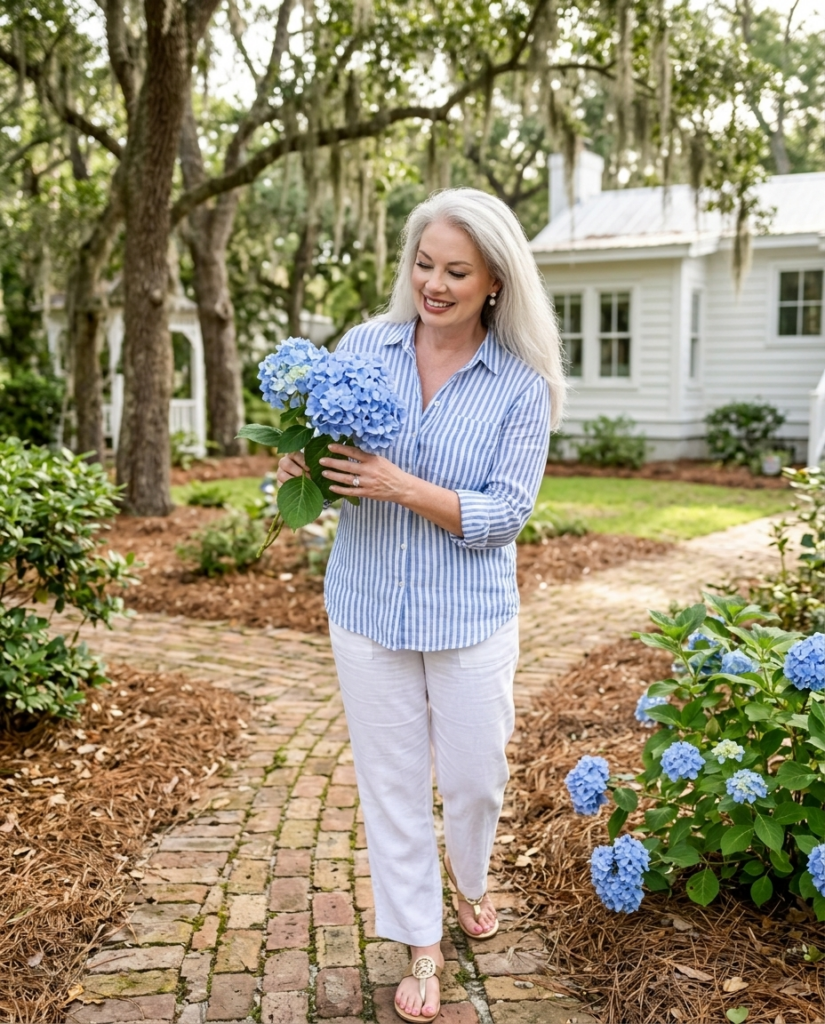
Until next time,
Here’s to beautiful homes, timeless living, and lessons learned along the way.
— Cathy | Hydrangea & Harbor